Showing posts with label BODY CARE. Show all posts
Tuesday, January 10, 2012
Tips for healthy feet:
Don't neglect your feet
You spend hours on end in front of the mirror admiring your beautiful face and thinking how to make it more beautiful. Every time there is a new beauty enhancing product in the market, you just can't wait to grab it.
But how much importance would you give to other parts of the body? Say, the feet? The feet area is perhaps the most neglected part of the human body. Even when we shop, foot care products definitely don't figure among the list! The result: painful and cracked heels! One shouldn't forget that feet too is a vital organ in the body considering it takes your entire body weight and gives you a balance to smoothly carry out any activity. Picture this: you are all decked up with a flawless beautiful face and wearing your best skirt/gown. But your heels are cracked! How does it look? It's best ensure you are clean and clear from head to toe!
Here are some tips for healthy feet:
- First and foremost, keep them clean. As much as you care for your body, do the same for your feet too. When having shower, spend a minute on scrubbing your feet with the soap so it's dirt-free and the bacteria doesn't accumulate
- Clean your feet every time you remove your shoes, dry the place and keep the area moisturized
- If your heels are cracked and dirty. Then do a home pedicure at least once in two weeks. Place your feet in warm water in which a few crystal salt has been added. Once the skin on your feet gets soft, rub the sole with a pumice stone. This will remove dirt and kill bacteria. Rub a scrub on your feet and rinse with water. Pat dry and apply Vaseline or a moisturizer.
- Should you have cracked heels more often then always choose footwear that covers your heels. Never expose your heels to dust. Also, wear socks at night after cleaning and moisturizing your feet.
- You could also rub insides of used lemon on your feet to remove discolouration
- Always keep your nails trimmed and dirt-free
- Always buy shoes that are a right fit. Tight shoes causes cramps and affect the feet.
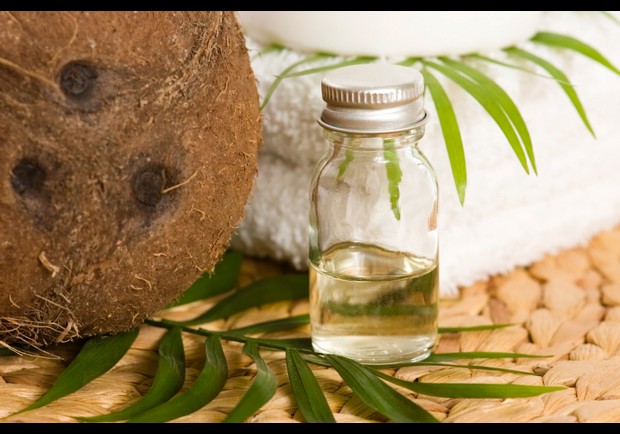
- To keep the heel area soft, apply a combination of coconut, sesame and castor oil at night
Eat your way to a more beautiful beard
There's not too much you can do about a receding hairline, other than curse your gene pool.
But facial hair is a different story. "The condition of your facial hair directly corresponds to the health of your body," says Jim White, registered dietitian and American Dietetic Association spokesman. Specifically, he continues, "The same nutrients that have a positive effect on our heart and other major organs also benefit our skin and hair."
In other words, you can literally eat yourself to a shinier, smoother, more healthy-looking beard. We asked White to tell us which vitamins are an essential part of a healthy facial hair diet, what they do, and how to get them into our diet. Results of our conversation below.
Vitamin A amd Beta A Carotene
How they better your beard: "Vitamin A maintains and repairs skin tissue," says White. "And keeping your skin healthy allows for better hair growth." Beta carotene is a nutrient that your body converts to vitamin A. Since it's found in foods that are lower in saturated fats than those that are rich in vitamin A, you're better off eating foods that are high in beta carotene.
Where to find them: Vitamin A is present in milk, cheese, butter and egg yolks. Beta carotene is found in yellow and orange produce (e.g., carrots, pumpkin, sweet potatoes and papayas) and leafy green veggies (e.g., spinach and kale).
Vitamins C and E
How they better your beard: Vitamins C and E promote the production of sebum, a natural oil that is produced by our bodies and lubricates and moisturizes hair, making it look thicker and more lush. Additionally, vitamin C assists in the growth of bodily tissues, including those that comprise our skin and hair follicles.
Where to find them: Citrus fruits, green peppers and broccoli are good sources of vitamin C. Wheat germ oil, almonds, sunflower seeds, safflower oil, peanut butter, corn oil, spinach, broccoli, mangoes and spinach all contain high amounts of vitamin E.
Protein
How it betters your beard: Our skin and hair are composed primarily of keratin, a structural protein made up of amino acids. We don't produce amino acids on our own; instead, we need to eat protein, which the body then converts to amino acids.
Where to find it: Fill up on fish, lean meats, poultry, eggs, rice, beans and milk.
Vitamins B6, B12 and Biotin
How they better your beard: B vitamins help your body synthesize the protein you eat so it can be used to build new skin cells and hair. Getting enough B vitamins, says White, also helps reduce stress and prevent hair loss.
Where to find them: Fish, poultry, leans meats, eggs, nuts, and whole grains such as brown rice and oatmeal are chock-full of B vitamins. Foods that are rich in B12 include beef, milk, cheese and wheat germ.
Omega-3 fatty acids
How they better your beard: Essential fatty acids are just that: essential to normal growth, including that of facial hair. They also protect cell membranes, helping to prevent your whiskers from getting dry and brittle.
Where to find them: Make sure flax seed oil, walnuts and fatty fish (e.g., salmon) find their way into your diet.
Want to make your beard even more beautiful? Of course you do! Supplementing the above foods with a multivitamin, or with any of the individual nutrients listed above, might do the trick.
Just don't overdo it: Your body will excrete any extra water-soluble vitamins (e.g., vitamin C or B12), but it'll hold on to extra fat-soluble vitamins (e.g., vitamin A). Excessive doses of vitamin A could actually lead to hair loss. Ask your doctor to recommend a proper dosage, and you'll soon be on your way to winning whiskers.
Content courtesy: Men's Life Today, Global
Friday, December 23, 2011
Eat slowly, lose weight
Researchers at the University of Rhode Island have found that eating faster increases the amount of food consumption.
Results of their two new studies revealed that men eat significantly faster than women, heavier people eat faster than slimmer people, and refined grains are consumed faster than whole grains, among other findings.
In one laboratory study, Kathleen Melanson, URI associate professor of nutrition, and her lab team found that fast eaters consumed about 3.1 ounces of food per minute, medium-speed eaters consumed 2.5 ounces per minute, and slow eaters consumed 2 ounces per minute.
The researchers also found what Melanson described as 'very strong gender differences' in eating rates.
At lunch, the men consumed about 80 calories per minute while the women consumed 52 calories per minute.
The second study, which examined the characteristics associated with eating rates, found a close association between eating rate and body mass index (BMI), with those individuals with a high BMI typically eating considerably faster than those with a low BMI.
"One theory we are pursuing is that fast eating may be related to greater energy needs, since men and heavier people have higher energy needs," said Melanson.
While the link between eating rate and obesity is still being studied, Melanson said that her research has demonstrated that eating slowly results in significantly fewer average calories being consumed.
The findings were presented at the annual meeting of The Obesity Society in Orlando this month.
Thursday, December 22, 2011
Yoga to cure sciatic pain
Yogasutra: Any inflammation or injury to the sciatic nerves can significantly restrict our movements and cause pain or numbness in the hips, knees or legs. Yoga asanas help in relieving sciatic pain.
Saturday, December 3, 2011
Jessica Alba talks pregnancy weight gain and post birth weight loss
Weight Loss After Pregnancy
Spy Kids: All the Time in the World in 4D actress Jessica Alba has revealed how she got her perfect body back in to shape following the birth of her second daughter Haven Garner. Jessica admitted that she did not put on too much weight during her pregnancy, which made it much easier for her to lose the extra baby weight once she had given birth.
Alba explained, "I didn't gain as much weight with my second pregnancy, so I think that really made a big difference." She then revealed how she went about losing the baby weight. Jessica added, "I did prenatal yoga up until the very end. I just made healthier choices. I started working out and not going too crazy, but I did what was safe and what the doctor approved."
Jessica Alba got back in to her training and fitness regime just two weeks after she gave birth to her daughter. She took to the gym and did a workout session consisting of cardio which lasted for 40 minutes on both the stationary bike and the elliptical. Jessica now does a more intense workout session which lasts for 90 minutes, four days a week at the L.A. Fitness Factory with the fitness guru Yumi Lee.
Saturday, August 27, 2011
Half of U.S. adults will be obese by 2030, report says

Based on trends, half of the adults in the United States will be obese by 2030 unless the government makes changing the food environment a policy priority, according to a report released Thursday on the international obesity crisis in the British medical journal the Lancet.
Those changes include making healthful foods cheaper and less-healthful foods more expensive largely through tax strategies, the report said. Changes in the way foods are marketed would also be called for, among many other measures.
A team of international public health experts argued that the global obesity crisis will continue to grow worse and add substantial burdens to health-care systems and economies unless governments, international agencies and other major institutions take action to monitor, prevent and control the problem.
Changes over the past century in the way food is made and marketed have contributed to the creation of an “obesogenic” environment in which personal willpower and efforts to maintain a healthful weight are largely impossible, the report noted.
It also laid out a new way of calculating how many calories to cut to lose weight, giving what it said is a more accurate means of estimating projected weight loss over time.
The common weight-loss wisdom is that reducing calorie intake by about 500 calories a day “will result in slow and steady weight loss of about 0.5 kg (about a pound) per week.” That rule doesn’t take into account the way the body adapts to the change. In particular, as anyone who has actually lost weight can attest, the less you weigh, the fewer calories you can consume if you wish to lose more weight or maintain the loss.
The report said that weight loss should be viewed over a longer period of time and proposed a new “approximate rule of thumb” for an average overweight adult. It said that “every change of energy intake of [about 24 calories] per day will lead to an eventual bodyweight change of about 1 kg (just over two pounds) . . . with half of the weight change being achieved in about 1 year and 95 percent of the weight change in about 3 years.”
Though the report acknowledged that it’s ultimately up to individuals to decide what to eat and how to live their lives, it maintained that governments have largely abdicated the responsibility for addressing obesity to individuals, the private sector, and nongovernmental organizations. Yet the obesity epidemic will not be reversed without government leadership, regulation, and investment in programs, monitoring, and research, it said.
The report, issued in a four-part series published in the Lancet, was released in advance of the first high-level meeting of the United Nations General Assembly focused on noncommunicable disease prevention and control, which will take place in New York next month.
Tuesday, August 23, 2011
Weight gain hits women after marriage, men after divorce

Tying or untying the knot seems to affect men's and women's waistlines differently: A new study shows that women are more apt to pile on excess pounds after marriage, while men add the weight after a divorce.
"Clearly, the effect of marital transitions on weight changes differs by gender," lead author Dmitry Tumin, a doctoral student in sociology at Ohio State University, said in a university news release.
His team looked at weight gain in the two years following a marriage or divorce among more than 10,000 people in the United States surveyed from 1986 to 2008.
Both men and women who divorced or married were more likely than never-married people to have a small weight gain in the two years following their marital transition, the team found.
In most cases, the weight gain was minor and not a serious health threat. But the risk of incurring a large weight gain was higher among men after a divorce and among women after getting married.
"Divorces for men and, to some extent, marriages for women promote weight gains that may be large enough to pose a health risk," Tumin concluded.
The study didn't examine the reasons why major weight gain is more likely for men after a divorce and for women after marriage, and the research did not go beyond the two-year marital transition period. But the findings fit with previous research.
"Married women often have a larger role around the house than men do, and they may have less time to exercise and stay fit than similar unmarried women," study co-author and sociology professor Zhenchao Qian theorized in the news release. "On the other hand, studies show that married men get a health benefit from marriage, and they lose that benefit once they get divorced, which may lead to their weight gain."
The researchers also found that people over age 30 were most likely to gain weight after marriage or divorce, and the risk grew stronger as people grew older.
This may be because they've settled into certain patterns of diet and physical activity, the researchers said.
"As you get older, having a sudden change in your life like a marriage or a divorce is a bigger shock than it would have been when you were younger, and that can really impact your weight," Tumin said.
The research was to be presented Monday at the annual meeting of the American Sociological Association in Las Vegas.
Monday, August 22, 2011
Sunday, July 31, 2011
Top Ten Foods for Glowing Skin Tips
Cottage Cheese
An antidote to dry skin, cottage cheese contains selenium and other essential minerals that are known to fight flaky skin and dandruff, helping your natural beauty shine through. Mangoes

Sun damage is one of the major causes of dull, wrinkled skin. Mangoes, which are high Vitamin A, contain more than 80% of required vitamins known for restoring skin cells, says celebrity aesthetician Bella Schneider.
Green Tea

To reduce redness, swelling or irritation, Schneider says green tea is one of the body’s best allies in fighting off inflammation
Oysters

Loaded with zinc, oysters help fight sagging skin by boosting its elasticity to give it a more youthful appearance
Sea Buckthorn Berries
Dr. Mehmet Oz has been singing the praises of this Himalayan fruit. Packed with antioxidants, Vitamin C and the rare fatty acid Omega-7, the berries nourish skin and hair and help stimulate collagen production.Red Wine

Red wine can help transform a dull complexion to its original glow. With thousands of polyphenols, it helps prevent cell oxidation that ages the skin.
Mushrooms

Containing lots of Vitamin B2, mushrooms can help dramatically repair damaged tissue, helping it look young and polished.
Coconut Oil

Similar to olive oil or avocados, virgin coconut oil is filled with good fats that help to restore skin’s moisture, says beauty expert Erika Katz. Once vilified as unhealthy, this cooking oil is making a comeback as scientists revise their former opinions, saying that in moderation it’s not a waistline killer.
Acerola Cherries

This fruit is Schneider’s favorite wrinkle fighter. Acerola cherries contain 100% of your daily Vitamin C quota and protect against oxidation, a major cause of wrinkles.
Sweet Potato

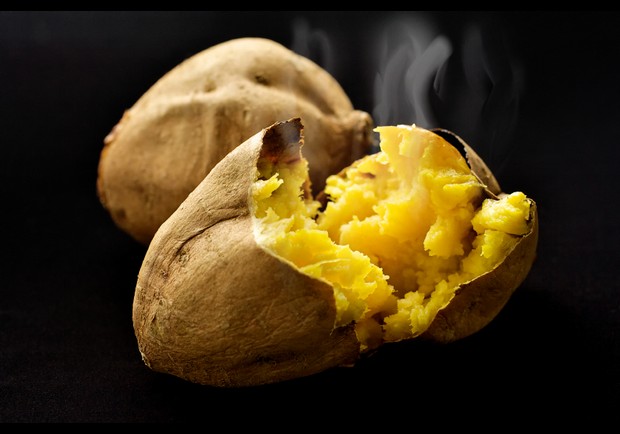
Dermatologist Audrey Kunin says sweet potatoes, which are rich in Vitamin A, speed cellular turnover and function like an internal anti-aging retinol.
source:Forbes.com
Thursday, July 21, 2011
Being obese, bigger breast cancer risk than smoking or drinking
A woman’s chance of developing breast cancer depends on a range of factors, including family history, age, time of menopause and whether she has had children.
However, a new study has said that older women who are dangerously overweight are at a far higher risk even than those who drink heavily or smoke to develop breast cancer.
According to data released by Cancer Research UK, one in eight women in the UK develop breast cancer in their lifetime, and the majority of these tumours are ‘hormone sensitive’ meaning their growth is fuelled by hormones.
Studies show that post-menopausal women with high levels of oestrogen and testosterone have between two and three times the risk of breast cancer than women with the lowest levels.
The Oxford University team studied the health records of nearly 6,300 post-menopausal women, looking for factors that might explain why some developed hormone sensitive breast cancer when others did not.
A woman''s weight had the greatest bearing on a woman''s sex hormone levels, shortly followed by smoking and alcohol consumption.
Women who are overweight or obese had high levels of hormones like oestrogen and progesterone.
So too did women who drank more than two and a half units of alcohol a day or smoked more than 15 cigarettes daily.
Experts say women should be made aware of these modifiable risk factors.
“This is an important study as it helps to show how alcohol and weight can influence hormone levels. Understanding their role in breast cancer is vital and this analysis sheds light on how they could affect breast cancer risk,” the BBC quoted Dr Julie Sharp, of Cancer Research UK, as saying.
“We know that the risk of the disease can be affected by family history and getting older, but there are also things women can do help reduce the risk of the disease. Maintaining a healthy body weight and reducing alcohol consumption are key to reducing breast cancer risk,” she added.
Tuesday, July 12, 2011
What to expect as you get older
Aging: What to expect as you get older
Looked in the mirror lately only to find a few more wrinkles and gray hairs? Those are just a few of the changes you're likely to notice as you get older. But what exactly is going on with your body? Here's what you can expect as you age.
Natural changes with age
Regardless of how long you live, time takes a toll on the organs and systems in your body. How and when this occurs is unique to you. Some typical changes to expect as you age include:
Cardiovascular system
Over time, your heart muscle becomes a less efficient pump, working harder to pump the same amount of blood through your body. Also, your blood vessels become less elastic. Hardened fatty deposits may form on the walls of your arteries (atherosclerosis), narrowing the passageway through the vessels. The natural loss of elasticity, in combination with atherosclerosis, makes your arteries stiffer, causing your heart to work even harder to pump blood through them. This can lead to high blood pressure (hypertension).Bones, muscles and joints
Your bones reach their maximum mass between ages 25 and 35. As you age, your bones shrink in size and density. One consequence is that you might become shorter. Gradual loss of density weakens your bones and makes them more susceptible to fracture. Muscles, tendons and joints generally lose some strength and flexibility as you age.Digestive system
Swallowing and the motions that automatically move digested food through your intestines slow down as you get older. The amount of surface area within your intestines diminishes slightly. The flow of secretions from your stomach, liver, pancreas and small intestine may decrease. These changes generally don't disrupt your digestive process, so you may never notice them. But you might notice more constipation.Kidneys, bladder and urinary tract
With age, your kidneys become less efficient in removing waste from your bloodstream. Chronic conditions, such as diabetes or high blood pressure, and some medications can damage your kidneys further.About 30 percent of people age 65 and older experience a loss of bladder control (urinary incontinence). Incontinence can be caused by a number of health problems, such as obesity, frequent constipation and chronic cough.
Women are more likely than men to have incontinence. Women who've been through menopause might experience stress incontinence as the muscles around the opening of the bladder (the sphincter muscles) lose strength and bladder reflexes change. As estrogen levels decline, the tissue lining the tube through which urine passes (urethra) becomes thinner. Pelvic muscles become weaker, reducing bladder support.
In older men, incontinence is sometimes caused by an enlarged prostate, which can block the urethra. This makes it difficult to empty your bladder and can cause small amounts of urine to leak.
Brain and nervous system
The number of cells (neurons) in your brain decreases with age, and your memory becomes less efficient. However, in some areas of your brain, the number of connections between the cells increases, perhaps helping to compensate for the aging neurons and maintain brain function. Your reflexes tend to become slower. You also tend to become less coordinated.Eyes
With age, your eyes are less able to produce tears, your retinas thin, and your lenses gradually turn yellow and become less clear. In your 40s, focusing on objects that are close up may become more difficult. Later, the colored portions of your eyes (irises) stiffen, making your pupils less responsive. This can make it more difficult to adapt to different levels of light. Other changes to your lenses can make you sensitive to glare, which presents a problem when driving at night. Cataracts, glaucoma and macular degeneration are the most common problems of aging eyes.Ears
Hearing loss is one of the most common conditions affecting adults who are middle-aged and older. One in three people older than 60 and half of all people older than 85 have significant hearing loss. Over the years, sounds and noise can damage the hair cells of your inner ears.Also, the walls of your auditory canals thin, and your eardrums thicken. You may have difficulty hearing high frequencies. Some people find it difficult to follow a conversation in a crowded room. Changes in the inner ear or in the nerves attached to it, earwax buildup and various diseases can all affect your hearing.
Teeth
How your teeth and gums respond to age depends on how well you've cared for them over the years. But even if you're meticulous about brushing and flossing, you may notice that your mouth feels drier and your gums have pulled back (receded). Your teeth may darken slightly and become more brittle and easier to break.Most adults can keep their natural teeth all of their lives. But with less saliva to wash away bacteria, your teeth and gums become slightly more vulnerable to decay and infection. If you've lost most or all of your natural teeth, you might use dentures or dental implants as a replacement.
Some older adults experience dry mouth (xerostomia), which can lead to tooth decay and infection. Dry mouth can also make speaking, swallowing and tasting difficult. Oral cancer is more common among older adults. Your dentist checks for oral cancer when you go for regular cleanings and checkups.
Skin, nails and hair
With age, your skin thins and becomes less elastic and more fragile. You'll likely notice that you bruise more easily. Decreased production of natural oils may make your skin drier and more wrinkled. Age spots can occur, and skin tags are more common. Your nails grow at about half the pace they once did. Your hair may gray and thin. In addition, you likely perspire less — making it harder to stay cool in high temperatures and putting you at increased risk of heat exhaustion and heat stroke.How fast your skin ages depends on many factors. The most significant factor is sun exposure over the years. The more sun your skin has been exposed to, the more damage you may attain. Smoking adds to skin damage, such as wrinkles. Skin cancer also is a concern as you age. You have a 40 percent to 50 percent chance of getting skin cancer at least once by the time you reach 65.
Sleep
Sleep needs change little throughout adulthood. If you need six hours of sleep nightly, chances are you'll always need six hours — give or take 30 minutes. However, as you age, you'll likely find that you sleep less soundly, meaning you'll need to spend more time in bed to get the same amount of sleep. By age 75, some people find that they're waking up several times each night.Weight
As you age, maintaining a healthy weight — or losing weight if you're overweight — may be more difficult. Your metabolism generally slows, meaning that your body burns fewer calories. Calories that were once used to meet your daily energy needs instead are stored as fat. Your level of activity may decrease, resulting in unwanted weight gain.Sexuality
With age, sexual needs, patterns and performance may change. Women's vaginas tend to shrink and narrow, and the walls become less elastic. Vaginal dryness is a problem. All of this can make sex painful.Impotence becomes more common in men as they age. By the time they're 65, up to one in four men have difficulty getting or keeping an erection about one in every four times they have sex. In others, it may take longer to get an erection, and it may not be as firm as it used to be.
How long can you live?
The longest documented human life span is 122 years. Though a life span that long is rare, improvements in medicine, science and technology during the last century have helped more people live longer, healthier lives. If you were born in the early 1900s in the United States, your life expectancy was only about 50 years. Today it's around 77.
And if you're sure you've already done too much damage to yourself to hope for a long life, think again. Researchers say it's never too late to adopt a healthy lifestyle. For example, if you quit smoking now, your risk of heart disease begins to fall almost immediately. Living a healthy lifestyle can improve how you age. Eating a variety of fruits and vegetables and getting out for a daily walk are ways you can begin preparing now for your later years.
source
Thursday, July 7, 2011
Beauty Care: Home remedies
* Apply a couple of tablespoons of sea salt on your wet face or whole body and gently massage with a wet washcloth or fingers tips for 2 mins. Avoid the eye area. Then, rinse with cold water. Do this once a week and it's the best natural way to exfoliate
* Just take a spoon full of gram flour (besan), and mix it in milk (unboiled) and add a pinch of turmeric (haldi) and apply it on your face and neck. Scrub for 2 mins and then rinse off with plain water. Do it over a month and you'll feel a natural glow on your skin.
Saturday, July 2, 2011
At 78, workaholic Prime Minister Manmohan Singh puts in 18-hour days

At 78, workaholic PM puts in 18-hour days
NEW DELHI: Invariably polite and punctilious, Prime Minister Manmohan Singh's energy levels and intense concentration can give someone in his 20s a run for his money despite two heart surgeries. Disciplined and balanced in his lifestyle, 78-year-old Singh can keep punishing schedules, switching between reviewing Afghanistan and Pacific security with a visiting prime minister and meeting MPs with localized grievances.
Manmohan Singh increasingly works out of his 7 RCR office with its attached residence. He begins his day fairly early with a brisk morning walk on the lawns, a routine he is loath to miss out on. He is ready for work by around 7 am. Occasionally, breakfast is when Singh meets people – old associates like economist Jagdish Bhagwati for example -- he would like to toss an idea around with. This is also when he goes through newspapers.
The PM's appointments typically begin around 9 am when he meets senior staffers and at times receives high-level briefings on matters considered priority in terms of security or political significance. Unlike some of his predecessors, Singh does pay attention to detail and holds regular sectoral reviews instead of leaving matters to top PMO officials.
After his multiple coronary bypass in 2009, Manmohan Singh is more careful about having his meals on time and retires to his residential quarters for lunch around 1 pm. He is back at work at 2.30-3 pm in the afternoon.
Although not exactly a night bird, Manmohan Singh doesn't turn in early. His evenings are usually packed with engagements and there are callers seeking time at short notice like ministers requesting a few minutes after a Cabinet meeting. Singh usually does not refuse and minutes can stretch on a bit longer.
He works right through weekends, unfazed by political storms raging around him. A few months ago, on a Saturday when Delhi's rumour mills were busy speculating about his political future, an unperturbed PM calmly oversaw a meeting on green energy options.
While his ability to scan files and minutiae is legendary, aides insist he doesn't get bogged down in micro-management. He does not breathe down a ministry's neck, expecting ministers to get on with their day to day jobs, something that came across in his suggestion at his meeting with editors on Wednesday that he could not be a class monitor when it came to working with allies.
His focus is on goals and hurdles in the way. As on Friday, when he will take an overview of infrastructure sectors, the PM looks at major roadblocks and calls for solutions to break logjams. Despite seeming a bureaucratic exercise, these sessions keep officialdom on its toes as ministers and bureaucrats are aware that they face an accounting exercise with someone who is not intimidated by details and statistics.
Manmohan Singh's schedule requires him to regularly address academic, industry, government and constitutional bodies. He delivers a couple of speeches a week on an average. Government and party work at the Planning Commission, Congress core group meetings, official functions at Vigyan Bhawan, Cabinet meetings and other business like a meeting to commemorate his mentor P V Narasimha Rao this week are all part of work.
The afternoons often see meetings with chief ministers and senior officials and are 15-20 minute affairs and then there is file work to attend to. Singh often pens a "please examine" on representations that keeps officials busy. Despite the volume of work that awaits him every day, officials say he is a gracious boss ever ready to hand out a generous recommendation to those who have served him. He respects diligent officers and is faintly deprecating about pushy ones.
The PM's evenings stretch on longer than was the case in his first term, partly because of more frequent and prolonged crisis ranging from the Telangana protests to dealing with civil society agitators but also because he is keenly conscious of the need to keep the wheels of policy turning.
A family man, Singh does not step out much for social dos nor does he entertain. He does watch television – some party colleagues feel he can reduce the attention he pays to news channels – and wife Gursharan is not far from his side. Even when he travels long distances within India, his staff try to get him back to Delhi for the night.
Despite the cares of office with UPA's second term honeymoon ending abruptly due to corruption scandals, Singh is not going to give his rivals a walkover. Those who know the PM say he is not a quitter. His critics who forget this are fated to be reminded of their folly as aides point out that Singh can weather storms without losing his cool.
There is a flinty toughness in the way he turned tables on Opposition BJP in Parliament during the debate on a joint parliamentary committee on the 2G scam. The same grittiness is likely to be on display again next month when government tees off with a resurgent Opposition in Parliament.
Tips to reduce double chin
A double chin occurs when the musculus mylohyoideus - the muscle directly underneath the chin, slackens with age. This results in the impression of a second chin, which many people find unattractive and seek to eliminate. Certain vitamins, double chin exercises and neck massage can help treat a double chin.
Double chins tend to come with age but they are not inevitable and one can get rid of them without surgery. There are several reasons behind them - genetic tendency; lack of exercise and fat and fluid build-up.
Though aging and obesity are the two most common causes, double chin can also be genetic and that's the reason some people have double chin right from infancy.
To get rid of a double chin, boost your daily intake of vitamin E. Vitamin E is found naturally in many food sources such as dairy products, brown rice, legumes, nuts, beans, apples, soy beans, peanuts, and liver
Chew a sugar free gum as it moves the jaw constantly and helps you get rid of a double chin.
Massage your neck and double chin area, beginning at the throat and moving slowly upwards. Massage for several minutes every night before bed to reduce your double chin
If you are overweight, try losing weight by following a low-fat, low-carbohydrate diet and also exercise regularly. The more calories you burn, the less double chin you'll have.
Perform double chin exercises like neck rolls. Roll your neck in a clockwise, and then counter clockwise circular motion.
Move your neck forward and then rest your chin against your chest. Hold your neck in this position for at least five seconds. Move the neck as far back as possible, and hold for five seconds. Inhale when your head is upright and exhale when it is in the forward and back position
Move your neck to the side and try to touch your shoulder with your chin. Hold your chin in this position for at least five seconds and repeat on the other side. Repeat the entire exercise three times.
Tuesday, December 21, 2010
Anti-baldness drug affects men's sexual health
Some doctors have claimed that young men could be jeopardizing their sexual health by taking the world's best selling anti-baldness drug.
According to researchers, finasteride - sold in UK as Propecia - can cause serious side effects and that the drug's labelling is inadequate.
The prescription pill is extremely effective at stopping hair loss and in clinical trials nine out of 10 men didn't lose any more hair over a five year period.
Drugs' company Merck, which manufactures Propecia, claims on its website that less than 2pc of men could suffer sexual side effects, reports the BBC .
It mentions things like difficulty achieving an erection, but says the problems will go away for men who stop taking the drug.
There are doctors in Ireland and the US who claim that the drug's labelling is inadequate.
Merck said they continually monitor its safety and have recently changed the labelling after reports of sexual side effects continuing after people had stopped taking the drug.
They also claim those cases are extremely rare and could be caused by something other than Propecia itself.
Friday, December 10, 2010
Get rid of your belly fat!
Whether you have a major paunch or a tiny roundness and want to slim down, we have just the answers for you .
Looking for the simplest way to get rid of fat around your tummy? Go for this creative 20-minute fat-blasting workout and you'll begin to see a toned tummy in just three weeks. Do them four times a week, with a day of rest in between.
Work out
Your legs are your scissors: Lie on your back with arms by your sides, legs raised, and toes pointing toward the sky. Flatten your lower back, engaging lower tummy muscles.
Inhale while lowering your right leg, so your toes are in line with your nose. Exhale, switching your legs scissor-like, so your right leg lifts back up and your left comes down. (Don't touch the ground with your foot.) Do 3 sets of 8–10 reps.
Lie flat in front: Get on your knees and forearms with your elbows directly under your shoulders, fingers interlaced. Stretch your legs long, and come up on your toes into plank position. Exhale while twisting slightly to the left from your waist only. Inhale, returning to the starting position, then repeat on the opposite side. Do three sets of 10-12 reps.
A ball-game: Look up at the ceiling, lie down on a stability ball, and drape your abs and hips over it. Place your hands on the ground in front of you, and walk them out until the ball rolls beneath your shins; contract your lower abs and lift your hips slightly, then slowly lower them down. Do three sets of 10-12 reps.
Sleeping Buddha-pose: Lie on your left side with your legs straight and stacked on top of one another and your feet flexed. Rest your head on your straight left arm. Inhale while lifting both legs off the ground, then exhale while slowly lowering them until they're about 1 inch off the ground. Do 10-12 reps, then switch sides and repeat to complete 1 set; do three sets.
Major paunch: Do 3 sets of 15 bicycle crunches 2-3 times a week, plus 30-45 minutes' worth of run-walk intervals (2 minutes each) 4-5 times a week. You'll notice the result in 4 weeks.
Tiny roundness: Do 3 sets of 12-15 crunches on a stability ball 2-3 times a week to sculpt your tummy in 3 weeks.
Eat this
Major paunch: Cut or burn 500 calories and drink 2 cups of green tea daily, as green tea alone helped exercisers drop ab fat in 12 weeks.
Tiny roundness: Eat snacks with belly-busting monounsaturated fatty acids (MUFA) daily: 23 almonds, 6 olives, or 2 squares dark chocolate. MUFAs can reduce ab fat in a month.
Fake it
Major paunch: Dress in a way that your belly fat is kept hidden. Go for lacy camisoles to pull in and shape your middle, plus give your chest a lift.
Tiny roundness: Get a belt that's at least 3 inches wide and made of a stiff material or leather. A belt that won't bend like a corset helps to hide your tummy.
Saturday, December 4, 2010
Lara Dutta Fitness Tips
Actress Lara Dutta, who is launching her fitness DVD called ?Heal With Lara? gives you some valuable fitness tips.
Monday, November 15, 2010
Coffee Intake - Too Much Dangerous
Reduce your coffee intake - too much caffeine can kill your nervous system. To keep you awake, try drinking hot water or juice. If caffeine is absolutely necessary as a wake-upper, try sipping slowly to lessen your consumption.
Thursday, November 11, 2010
How can I increase my height?
Question : MAY I KNOW TILL WHAT AGE DOES THE HEIGHT GROW?AND BY PERFORMING YOGA WILL THE HEIGHT INCREASE?PLS SUGGEST ME SOME HOME REMEDY ONLY...
Answer : Height grows till the age of 28 - 32 years. Practicing Tad Asan and Surya Namaskar is beneficial.
Saturday, September 25, 2010
Priyanka Chopra has the Perfect Skin and Hair
Priyanka Chopra has the perfect skin and hair: Blossom Kochhar Interview
Blossom Kochhar is a pioneer in the field of aromatherapy for long. The lady has been a stalwart in promoting healthy lifestyle with her indigenous products, the beneficiaries of which include top-class national and international clientele. Mrs Kocchar turned her belief in the therapeutic properties of essential oils and natural fragrances into a lifestyle concept and industry with great success.
The beauty expert had a chit chat with Bikas Bhagat of Spicezee.com and gave some valuable information on the benefits of aromatherapy and tips to enhance beauty. Following are the excerpts:
Q: What inspires you to create natural products?
Blossom: Your skin inspires me to create natural products. Your skin is breathing…living and is a part of you. What you eat should have the property that it can be put on your face and whatever you put on your face should be edible. My products go through many-many years of testing before they are introduced.
Q: How does aromatherapy help in enhancing beauty?
Blossom: Aromatherapy is excellent for the body, mind and soul. You can use essential oils for massage, for instance, you can use them in your bathwater, after shower, and for any stress related ailments like body ache, hormonal problems, sinus, headache and migraine. Or you can try lavender for stress and ache. Then there is ‘ylang ylang’ to pep you up and Jasmine to lift you from depression. Sandal wood is also excellent oil.
Q: With monsoons coming what are the special things that one should keep in mind for perfectly healthy hair and skin?
Blossom: During the monsoons, cleanse your skin regularly with a good face wash. Don’t use any heavy moisturizer or creams; exfoliate twice a week with a good scrub. Cleaning hair is very important. Shampoo often as hair tends to get dirty, and dry your hair before braiding to avoid fungal infections.
Q: How would you define beauty?
Blossom: Beauty is holistic, it has to deal with your body, mind and soul and when everything is in harmony the person is beautiful.
Q. What’s your take on cosmetic surgery and Botox treatment? Are there any side effects?
Blossom: Well, they are basically beauty enhancement treatments and in most cases, they are adopted only if there is dire need for it. I mean if you are in a line of work which demands you to look glamorous, say like in showbiz, then there is no harm. However, these operations should only be done after a certain age and youngsters should refrain from such procedures instead they should rejuvenate themselves with aromatherapy.
Q: What can people do to reduce stress? Please suggest.
Blossom: We would recommend you to go for aromatherapy. Get yourself a diffuser, add a little water on the top of the diffuser, light a candle and add a few drops of Peach or Lavender oil. The oils can also be used in bath water, on the pillow and you can also use it in a potpourri.
Q: Can you tell us something about yourself? What all do you do - only aromatherapy or regular beauty treatment and makeup also?
Blossom: I also do make up, beauty and hair as well as skin care and spa therapy. I teach Reiki and play golf.
Q: Which celebrity do you think has the perfect skin tone and hair?
Blossom: Priyanka Chopra and…yes this pretty girl Katrina Kaif.
Q: We have heard that there are some international stars visiting your store for beauty and essential oils…
Blossom: It was only some time back that at our Qutub Colonnade store, we had a surprise visitor one day - Richard Gere. He walked into the store once and picked up ‘Dreams` (an essential oil). Ever since, whenever he’s in Delhi on his way to Dharamshala, he drops by at the store.
Subscribe to:
Posts (Atom)